

The study used a cohort of 1,600 patients admitted between 2003 and 2019 to Massachusetts General Hospital who had a brain bleed that was not a result of an injury or trauma. They used CT scans to assess the size and location of the brain bleed. https://righttimez.co.uk/how-does-alcohol-affect-the-eyes/ They checked MRI scans for signs of damage to the brain’s small blood vessels.
- These can often be harder to distinguish as they can also be signs of other forms of distress.
- Several prominent complications of heavy alcohol use involve the gastrointestinal (GI) system.
- About 15 million American adults and 400,000 adolescents suffer from alcohol use disorder, according to the National Institute on Alcohol Abuse and Alcoholism.
- These hormones influence various functions, including growth, metabolism, and breathing.
- The cerebellum is the brain’s control center for movement, balance, and coordination.
Other NIAAA Sites
Family plays the biggest role in a person’s likelihood of developing alcoholism. Children who are exposed to alcohol abuse from an early age are more at risk of falling into a dangerous drinking pattern. Above, we mentioned how science tells us that alcoholism is indeed a medical condition. However, a person who has not yet developed a biological dependence on alcohol may still choose to drink maladaptively despite being aware of warning signs or personal risk factors. As the Cleveland Clinic excellently states, alcohol use disorder (or alcoholism) is a medical condition where a person is unable to control their heavy or frequent drinking.
- The brain might be affected as certain changes occur in its structure and chemistry.
- Alcohol affects the parts of the brain responsible for decision-making, motor skills, and judgment.
- Alcohol abuse is a complex and pervasive problem that has far-reaching effects on individuals, families, and communities.
- Triggers, including a group of friends who drink, certain activities or circumstances can lead someone to fall back into old drinking habits.
Marijuana, hashish and other cannabis-containing substances
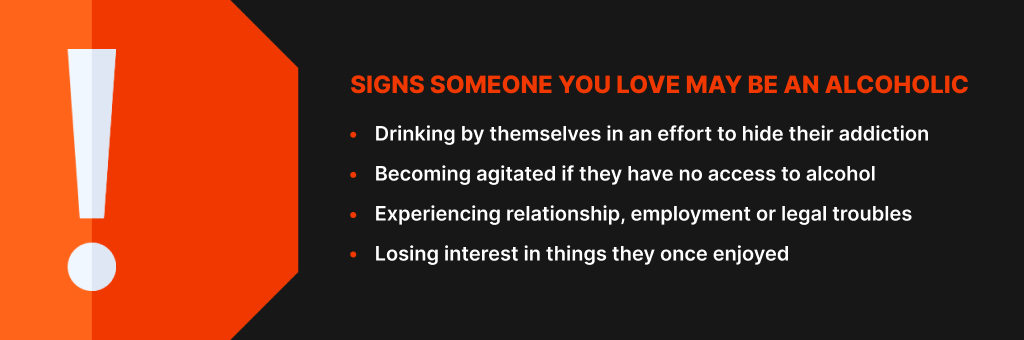
Loved ones can provide immeasurable support, but they almost take care of themselves throughout an often difficult journey. Cognitive behavioral therapy is another path, available in person or online. Non-abstinence-based recovery models—such as Moderation Management—advocate for reducing one’s alcohol consumption rather than abstaining completely. There are many organized programs that provide the support of peers, usually through frequent meetings. Alcoholics Anonymous is one example; it offers a structured 12-step path toward recovery with a community of support from those who have dealt with similar challenges. Drinking alcohol on a regular basis can also lead to dependence, which means your body and brain have grown used to alcohol’s effects.
These factors can combine to increase your chances of developing alcohol use disorder—especially if drinking becomes a way to cope. What begins as social or occasional drinking can evolve into dependency when alcohol starts to feel necessary for managing stress, escaping negative emotions, or just getting through the day. Over time, the brain adapts—making you crave alcohol more and making it harder to feel normal without it. In many organs, the effects of alcohol increase over time, and the damage becomes apparent only after Sober living house years of abuse. Taking advantage of treatment options, from intensive inpatient to outpatient programs, is a proven way to maintain recovery.
Start Your Recovery Today
Moderate and severe withdrawal syndromes can include hallucinations, seizures, or delirium tremens; the latter two can be life-threatening. Coping with a mental health disorder may be the reason you start drinking alcohol. While this may work temporarily, eventually, your mental health symptoms will likely worsen, or you may develop new symptoms.

Impact On Your Safety
This applies specifically to individuals who had suffered a heart attack before. Prolonged use of alcohol in large quantities also causes alcohol cardiomyopathy. The difference in genetic makeup may explain the difference in the rate of alcohol dependence among the different races. Research has suggested the potential of GLP-1 medications for treating substance use disorders, including alcohol, opioids, nicotine, and psychostimulants. The pathway to healing and recovery is often a process that occurs over many years. Addiction not only involves the individual suffering, but their partner, their family, and their friends as well.
Advancing age and mental health disorders
Others, like loss of consciousness or slurred speech, may develop after a few drinks. Since those effects don’t last long, you might not worry much about them, especially if you don’t drink often. Alcohol can cause both short-term effects, such as lowered inhibitions, and long-term effects, including a weakened immune system.
It is a collection of symptoms that develop when the central nervous system attempts to adapt to the lack of why do people become alcoholics alcohol after becoming habituated to it. You may need to seek treatment at an inpatient facility if your alcohol use disorder is severe. The Substance Abuse and Mental Health Services Administration (SAMHSA) defines heavy alcohol use as binge drinking on five or more days in the past month. Alcohol use disorder (formerly known as alcoholism) is a form of substance use disorder.
The physical dangers
Going back to Dr. Streem’s tidal wave example, there’s a significant amount of cleanup your body has to do after it gets pummeled with alcohol. Discover what truly underlies alcoholism in this insightful exploration of its root causes. Drinking less is a key part of stroke and brain health prevention efforts, the researchers said.

The pancreas is part of the digestive process and helps regulate your body’s blood sugar levels. Drinking alcohol over many years can start to negatively impact your pancreas and cause lasting health complications. Unfortunately, the early stages of many pancreatic conditions are often unfelt and therefore, left untreated. Some of the early cardiovascular effects, like high blood pressure and an irregular heartbeat, can lead to a host of problems down the road. Long-term consequences of excessive drinking may include cardiomyopathy, stroke and sudden cardiac death.
Research has shown that genetics play a significant role in the development of alcoholism. While it is not solely determined by genes, individuals with a family history of alcoholism are more likely to develop alcohol-related problems themselves. The strain on relationships is another significant consequence of alcoholism.